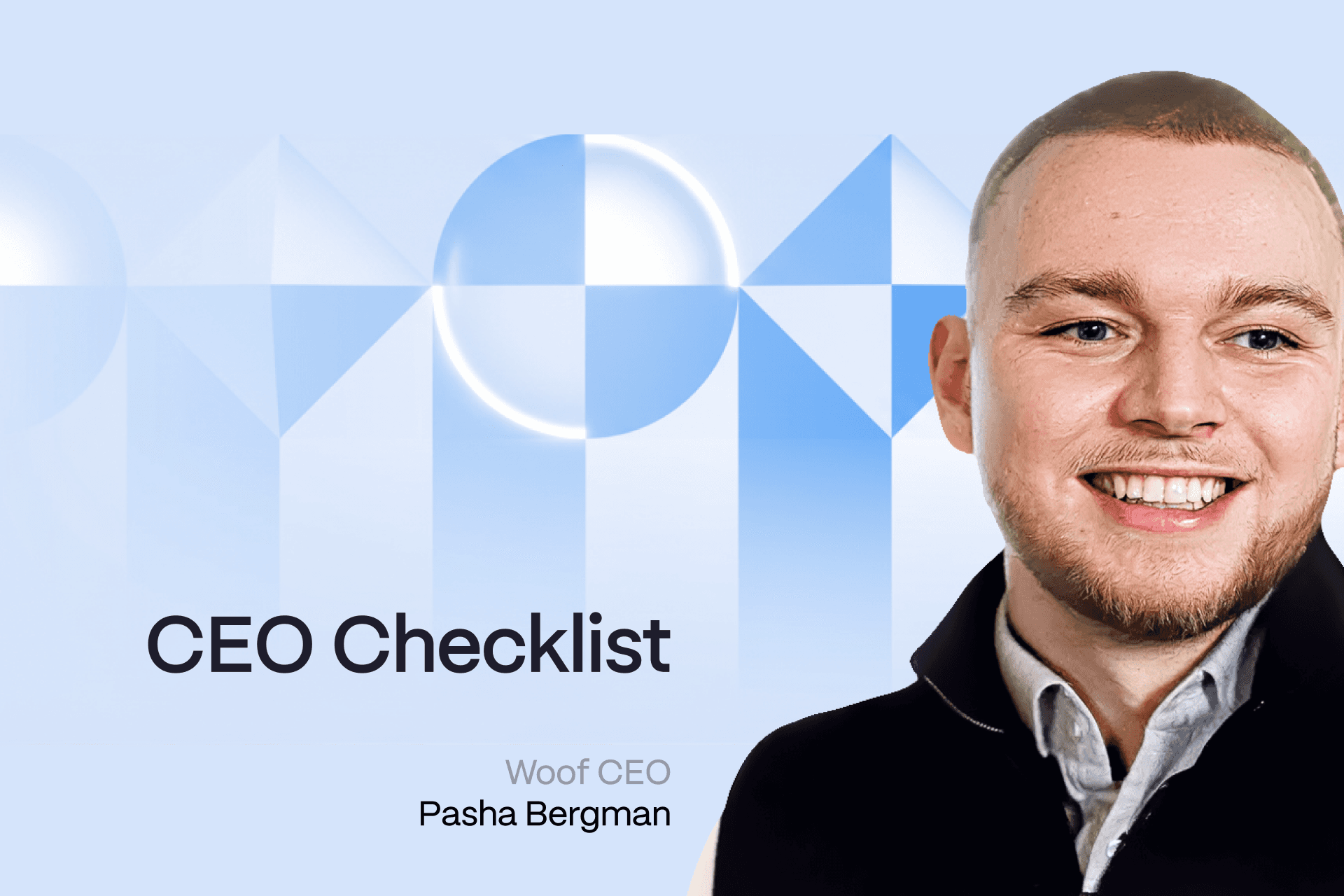
Founders hiring software agencies typically overpay or get burned by choosing between cheap freelancers with spaghetti code or bloated enterprise vendors with inflated overhead. Woof Software's Pasha Bergman outlines 7 red flags to check before signing: hidden teams, vague deadlines, generic proposals — and offers a free technical audit to evaluate any vendor's plan.
Through a twist of fate, I've found myself working, meeting, talking, and collaborating with CEOs and founders of various high-tech projects, and I've come to realize that the outsourcing market is broken.
9/10 of the CEOs I've had the pleasure of working with shared that it wasn't just about the money they spent (often "development" cost them anywhere from $50K to $100K), but on top of that they lost 6 months of their lives, tons of nerves (which as we know don't regenerate), and all for what? To get broken code, bugs, a pretty Figma presentation (if they were lucky enough to get it exported to PDF), and a god-awful UX that's so far from user-friendly that any reasonable person wouldn't even bother trying to figure it out.
Watching this happen month after month, year after year, I decided to share my observations on how to find a technology partner in today's landscape. All based on real examples and firsthand experience.
So, without further ado:
How to Choose a Software Agency Without Burning Your Budget: 7 Red Flags to Spot Before You Sign the Contract
What are the two standard paths founders take when hiring someone to develop software for their project?
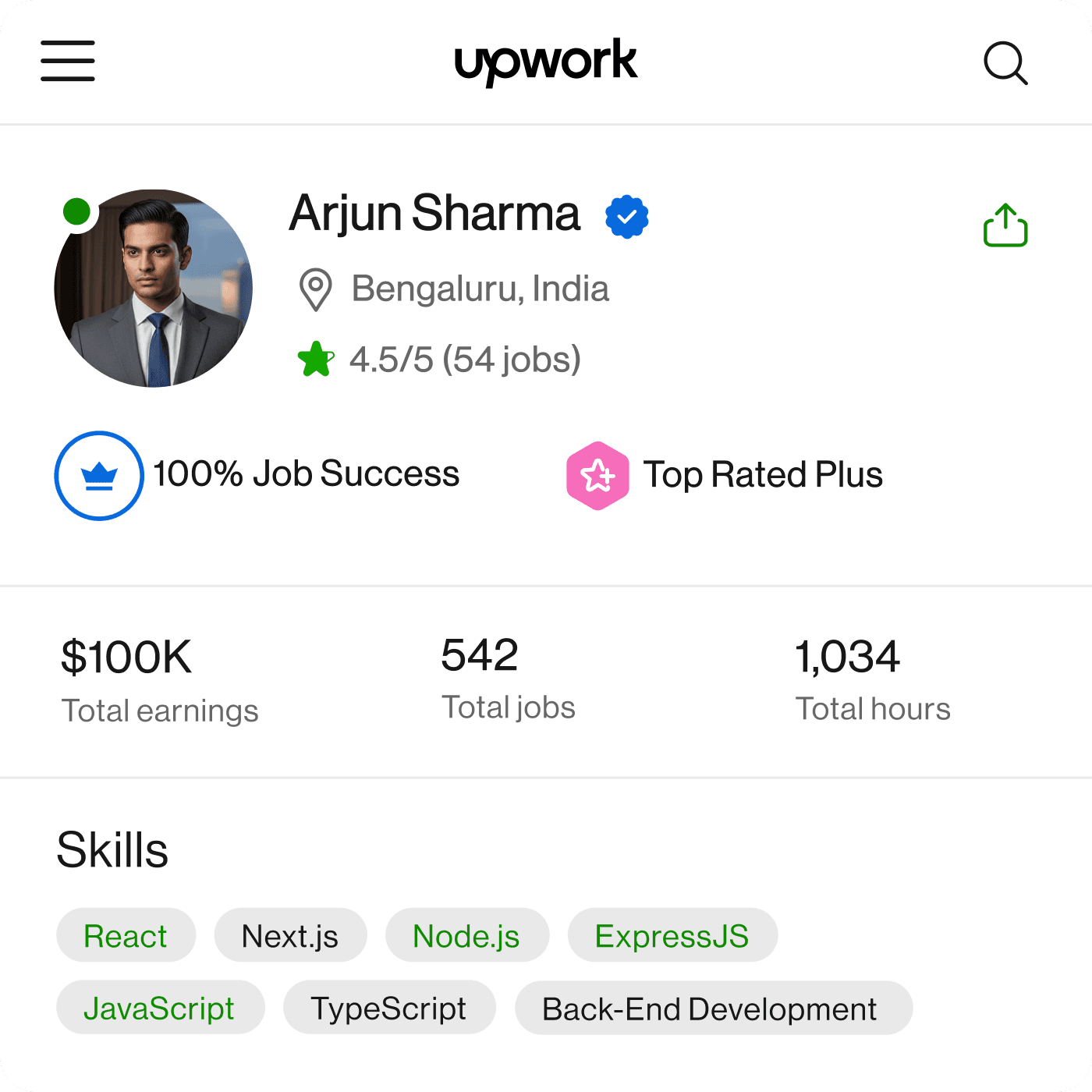
The first one is for those looking to save money. They head to Upwork, naturally pick the top performer (or even two), and start cranking out spaghetti code with them. If things go south, that code will just sit there collecting dust because this guy with his inflated reviews and ratings has 50 other projects he's outsourcing to his vibe-coder buddies.
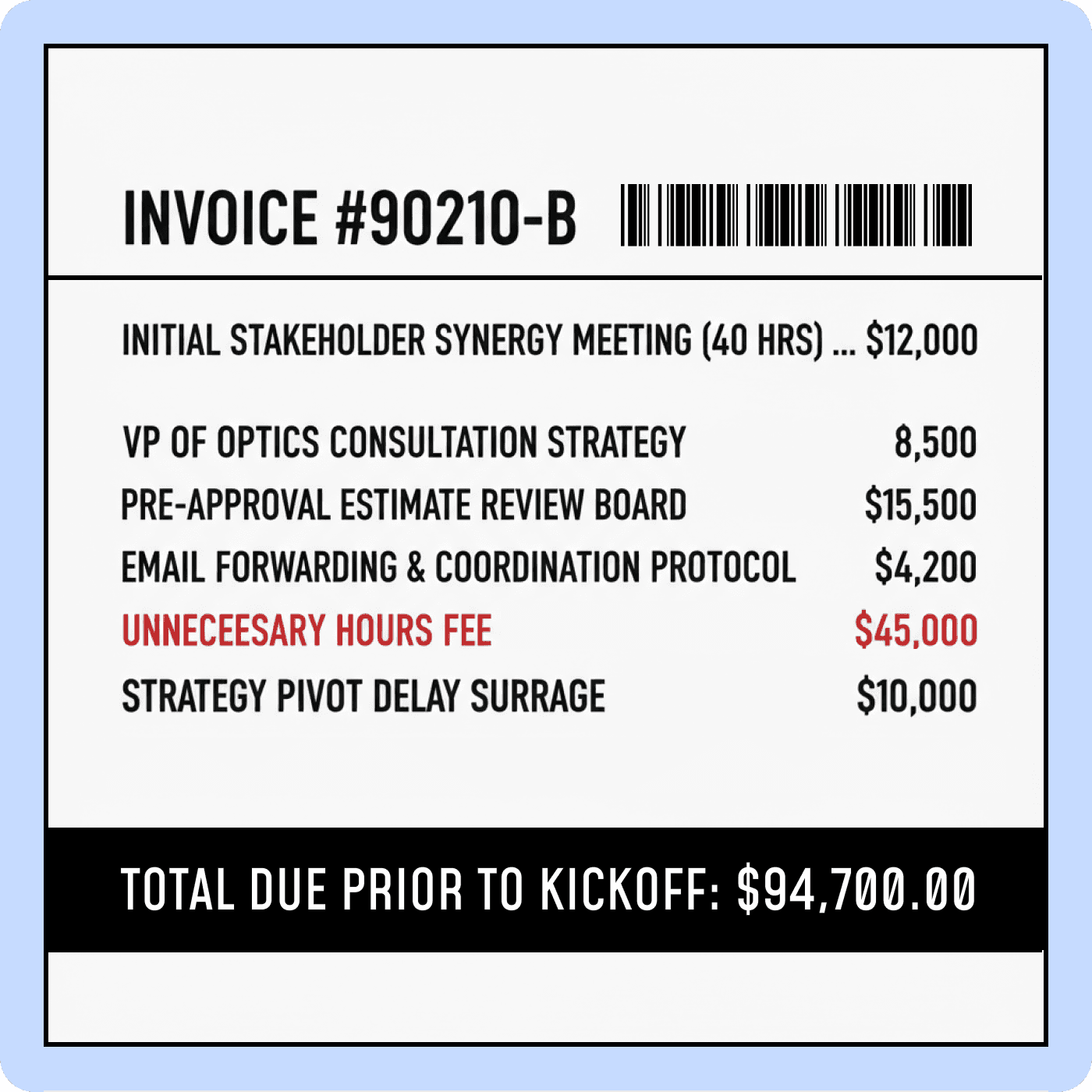
The second type of founder goes the expensive route. They're the ones who say, "Nobody ever got fired for hiring IBM." But here's the catch working with IBM isn't a mistake if you already have some investment, a product, users, or traction and you're just looking to scale. You pay for a massive overhead (Account Managers, VPs of Nothing), and by the time they approve the estimate, the market has changed. In our case, startups just miss the current market narrative, which once again shifts to another pointless memecoin launch on whatever new launchpad just popped up.
Easy to say, but how do you choose the best partner from the so-called middle segment, not cheap and cheerful, but not a tech giant either?
The CEO's Checklist: Red Flags to Avoid
You don't need test assignments, trial periods, or any other nonsense that just steals your time. Here's how I identify a quality service provider:
🚩1: No real case studies or proof of work
So you're searching online, checking out sites your friends sent you, browsing one after another. Verify previous project experience.
A simple line with logos like Tether, Tron, Cointelegraph, and Solana won't cut it. Ask for proof of work with giants if they claim to have it, and evaluate the scale of what they actually did. If it's just a free consultation call, I can't call that a real client. If the vendor keeps hiding behind NDAs - ask for metrics, code snippets, or have them walk you through the logic of a past challenge. You need to know what problems previous clients came in with and what they left with.

🚩2: Anonymous or hidden team
Ask who will be working on your project. Meet these people.
Why would a reputable company hide their best talent (because they'll definitely put their best on your project, right?).
If you start hearing excuses and seeing profiles with anonymous pfps - skip.

🚩3: They skip the business questions
So you're at the getting-to-know-you stage with your specialists and they're learning more about you. Pay attention to what they ask. Where you're from, what your budget and revenue are -that's fine, but what we're interested in is how they think, which we can gauge by the questions they ask.
"Why does this product even exist?", "How are you planning to compete?", these are relevant questions.
🚩4: Ignore open-ended questions
You've answered all their business questions, now it's your turn. Ask them an open-ended question like, "How would you handle a sudden spike in traffic?" or "What happens if the API we use shuts down?"
If they panic or give a generic marketing answer, they lack seniority. You need partners who can think on their feet, bringing up examples of past times they dealt with such problems.
🚩5: Vague or missed deadlines
So we've checked the case studies and met the team of top developers, next comes the estimate request. Here we're primarily checking deadline compliance. "We'll give you an estimate in 2 days" but due to unforeseen circumstances or any other issues they miscalculated and sent the estimate in 5 days - skip. An experienced team knows how to manage time.
🚩6: Generic proposal + a price tag
All the points above checked out ✔, you received the proposal within the agreed timeframe, and what do you see? A generic invoice with a price tag?
Look for those who send you a custom-built roadmap of how you'll move forward. It should detail how they will build it, what the phases are, and what the deliverables look like. If they can't write a detailed proposal, they haven't thought through your project.
🚩7: No communication plan upfront
Ready to sign the contract? Wait, discuss how you'll communicate.
I advise against moving the entire conversation to whatever messenger you prefer. Listen to what the team suggests. If it's WhatsApp and you use Telegram, don't break their system because you'll disrupt their flow, which complicates life for everyone.
Also discuss how often you'll get progress reports, where calls will happen, whether they're available on weekends, so you don't end up in a situation where the account manager talks to you on Slack, the PM calls you on Telegram over the weekend, or you can't reach anyone today because they work on the Indian calendar and have Wednesday off.
All else being equal, good communication is the only thing separating you from getting the best results.
The Woof Software Approach
Here at Woof Software, we position ourselves as a high-agency firm building exceptional crypto products. We started this business because we hated how the industry worked.
Our core principles when it comes to clients are:
Complete transparency where you see the team, see the code, see our case studies, see everything we didn't mention but that matters to you.
We understand that besides wanting to make the world better, you also want to monetize your product. We have extensive experience in this, so we'll consult you on how to get it to stable revenue faster.
Reliability, if we say "Estimate on Tuesday," you get it on Tuesday.
🔴 Exclusive Offer: Choosing a partner is stressful and expensive. Let us lower the risk for you. We offer a Free Technical & Product Audit of your current situation.

Have a proposal from another vendor? We'll review it and tell you if it's a solid plan or a rip-off.
Have an idea? We'll ask the hard business questions they didn't ask.
Have legacy code? We'll tell you if it's salvageable.
This obligates you to do nothing. You get an honest second opinion from a team that builds for a living.

Book a call with Pasha Bergman
Schedule a call with our CEO to receive practical recommendations and a prompt proposal for upgrading your solution.